First 48 hours after a death
First 48 Hours After a Death: What to Do, Hour by Hour
Reviewed by Maria Ontiveros, a licensed funeral director with 18 years of experience guiding families through first-call logistics, and cross-checked against NHPCO and FTC Funeral Rule guidance.
When someone dies, the only thing you need to do in the first few minutes is confirm the death and make one phone call — to hospice, to 911, or to the facility staff already present. Everything else (funeral home, casket, death certificates, notifying Social Security) has more room than most checklists admit. This guide walks through exactly what happens in the first 48 hours, branching by where the death occurred, so you know what's urgent and what can wait.
Need this in your hands right now? Skip to the downloadable checklist or the hour-by-hour table.
Table of Contents
- Permission to Slow Down
- Step 0: Confirm Death Has Occurred
- Branch A: Death at Home With Hospice
- Branch B: Death at Home Without Hospice
- Branch C: Death in a Hospital or Nursing Facility
- Hour-by-Hour Timeline
- What Happens to the Body
- The Casket and Disposition Decision
- Legal Pronouncement and Death Certificates
- Master Contact List
- Documents to Gather
- Common Mistakes
- Downloadable Printable Checklist
- FAQ
Permission to Slow Down
Almost nothing has to happen in the next ten minutes. There is no rule that says you must call a funeral home within the hour, pick a casket by tonight, or have a plan by morning. The body can stay where it is, resting, while you sit with what just happened. Funeral homes, medical examiners, and hospice nurses have all seen families rush a decision they didn't need to rush, then regret it for years.
The first 48 hours have a real structure underneath them — legal steps, physical limits on how long a body can wait, paperwork that eventually needs filing. This guide gives you that structure so you can move at a human pace instead of a panicked one. Read Step 0 now. Read the rest whenever you're ready, even if that's tomorrow.
Step 0: Confirm Death Has Occurred — When to Call 911 vs. Hospice vs. Do Nothing Yet
The first decision is simple once you know the setting:
- Hospice was involved: Call the hospice line first, not 911. They expect this call and will guide you.
- No hospice, death at home, unexpected: Call 911. Say the person is deceased so dispatch can send the right response.
- Hospital or nursing facility: Staff already know. Find a nurse; you don't need to call anyone yet.
- You're not sure if death has occurred: Call 911 immediately. Let paramedics make that determination — never guess.
Do not attempt CPR if death is expected and irreversible (hospice patients, terminal diagnoses) — hospice nurses will confirm this by phone. In every other case, treat uncertainty as an emergency and call 911.
Branch A: Death at Home With Hospice — What Hospice Handles vs. What Falls to You
Hospice exists for exactly this moment. When you call, a nurse comes to the home, confirms death, and completes the pronouncement — this is often the single biggest relief hospice families report, because it means police involvement is not required. The National Hospice and Palliative Care Organization (NHPCO) trains member hospices to handle this pronouncement on-site specifically so families don't need to call 911. Hospice typically handles: pronouncement of death, notifying the attending physician, removing medical equipment (oxygen, hospital bed rental returns), and calling the funeral home of your choice if you ask them to.
What falls to you: choosing which funeral home to use (hospice won't choose for you), deciding the timing of the body's removal from the home (you can ask for an hour, or a day, within reason), and notifying family. Hospice staff will wait with you until the funeral home arrives — you are not expected to be alone with logistics. Ask your hospice nurse directly, "What do you handle, and what's on me?" Every hospice organization phrases this slightly differently, and asking out loud removes the guesswork.
Branch B: Death at Home Without Hospice — EMS, Police Presence, and Why It's Not Suspicious
When someone dies at home unexpectedly, with no hospice on record, 911 dispatch typically sends both EMS and police. This is standard procedure, not an accusation. Police attend unattended deaths to document the scene and rule out foul play — a routine part of how deaths without a treating physician present are handled almost everywhere in the U.S.
Expect questions about medical history, medications, and the hours before death. A medical examiner or coroner may be called, especially if there was no recent physician visit; this can mean the body is taken for examination rather than released directly to a funeral home. This adds time, sometimes a day or more, before you can proceed with funeral planning. It is normal and does not reflect on the care the person received. Families often describe this stage as the hardest part of an unattended death because it feels procedural during a moment that isn't.
Branch C: Death in a Hospital or Nursing Facility — What Staff Handles Automatically
This is the branch with the least on your plate in the first hour. Hospital or facility staff pronounce death, notify the attending physician, and move the body to the facility's morgue or holding area — you don't need to arrange transportation immediately. A nurse or social worker will typically ask two questions: which funeral home you'd like to use, and whether you want a few minutes with your person before they're moved.
You do not need to have a funeral home picked out on the spot. Facilities generally hold the body for a reasonable window (often 24 hours or more) while you decide. Nursing facilities follow a similar pattern but may involve hospice or the resident's physician for pronouncement if death wasn't already anticipated. Ask staff directly: "How long can you hold them here while we decide on a funeral home?" The answer varies by facility, and getting it in plain terms early prevents a rushed decision later.
Hour-by-Hour Timeline
| Window | What's Happening | What You Need to Do |
|---|---|---|
| Hour 1 | Death is confirmed/pronounced. Body remains where death occurred. | Make the one required call (hospice, 911, or notify staff). Sit with family. |
| Hours 2–6 | Pronouncement is finalized. If unattended, ME/coroner may be involved. Funeral home is contacted. | Choose a funeral home if you haven't already. Begin notifying immediate family. |
| Hours 7–24 | Body is transported to funeral home, hospital morgue, or ME's office. Refrigeration begins if not embalmed. | Gather key documents. Start the master contact list. Rest if you can. |
| Hours 25–48 | Funeral home meeting typically occurs. Disposition decision (burial/cremation) usually finalized here. | Meet with funeral director. Decide final disposition. Order death certificates. |
Nothing here is rigid — a Sunday death, a rural area, or ME involvement can shift every window by a day. The pattern holds even when the clock doesn't.
What Happens to the Body During These 48 Hours: Refrigeration, Holding Facilities, and Embalming Windows Explained
Most families are never told this, and then wonder later. Once death is pronounced, the body goes to one of three places: the funeral home's care, a hospital or facility morgue, or a medical examiner's office if the death was unattended or unexplained. In all three, refrigeration — not embalming — is what preserves the body during this window, and it's what most state rules are built around.
State law sets the actual clock. California requires a body to be refrigerated, embalmed, or moved to final disposition within 24 hours if it isn't already in a funeral establishment's care, per California Department of Public Health guidance. New York generally allows up to 48 hours before one of those steps is required. Texas requires refrigeration or embalming once a body has been held 24 hours without a disposition permit. These windows vary by state and sometimes by county, so confirm the exact number for where the death occurred — your funeral home can tell you in one phone call.
Embalming, when chosen, is usually done within 24–72 hours, mainly to allow for a viewing; it is not legally required in most U.S. states for either burial or cremation, though some states require it (or refrigeration as an alternative) if there's an extended delay before final disposition. Cremation without viewing often skips embalming entirely. The National Funeral Directors Association (NFDA) confirms embalming is elective, not mandatory, in the large majority of cases, and that refrigerated bodies can typically be held safely for several days without it.
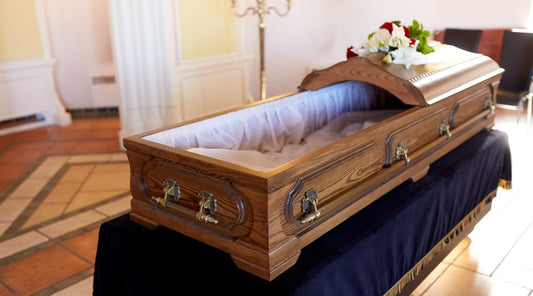
Making the Casket and Final Disposition Decision: What Needs to Be Decided Now vs. What Can Wait
You do need to decide burial vs. cremation within roughly 48–72 hours in most cases — funeral homes need this to schedule refrigeration, transport, or cremation appointments, and it lines up with the state holding windows above. What you do not need to decide immediately: the specific casket model, urn design, service format, obituary wording, or burial plot location if one isn't already owned. Those can wait days, sometimes over a week, without consequence.
Here's the realistic sequence:
- Within 48 hours: Burial or cremation (the "final disposition" method). This is the one true hard deadline, because it determines the physical handling of the body from here forward.
- Within the first week: Casket or urn selection, cemetery plot (if needed), service date and venue.
- Whenever you're ready: Obituary text, headstone design, memorial gathering details, scattering plans for ashes.
Funeral directors are used to families needing time on the details and speed only on the disposition method. If a director pressures you to finalize casket selection on day one, it's reasonable to say you need more time — the FTC's Funeral Rule requires them to provide itemized pricing and give you room to decide without pressure.
Legal Pronouncement of Death and the Death Certificate Process
Pronouncement of death is the formal, legal declaration that death has occurred, made by a physician, hospice nurse, EMS personnel under medical direction, or medical examiner depending on the setting. It's a distinct step from the death certificate, which is the official document filed with the state, typically prepared by the funeral home in cooperation with the certifying physician, and used for nearly every administrative task that follows — banks, Social Security, insurance, property transfer.
Most families need more copies than they expect: 10–15 certified copies is a reasonable starting estimate for a typical estate with a home, bank accounts, a car, and life insurance. Funeral homes usually order these for you through the state vital records office; processing takes anywhere from a few days to a few weeks depending on the state. Texas, for example, processes online death certificate orders through its Department of State Health Services vital records office in a matter of days once the certificate is filed. You can always order more later through your state's vital records office if you underestimate — reordering later costs more in time than money.
Master Contact List: Who to Call and In What Order
Notifications spread naturally over the first 48 hours. Here's a sequence that avoids both chaos and unnecessary urgency:
- Hospice or 911 — immediate, per Step 0.
- Immediate family — spouse, children, parents, siblings. By phone, not text, if possible.
- Funeral home of choice — within the first few hours, even just to start the relationship.
- Employer (yours, for bereavement leave; theirs, if they were employed) — within 24 hours, a short call or email is enough.
- Clergy or spiritual advisor, if applicable — whenever feels right, often alongside family notification.
- Extended family and close friends — hours 12–48, often delegated to one family member to avoid repetition.
- Social Security Administration — funeral homes often report deaths to SSA automatically, but confirm this; if not, call within days, not hours. Per SSA's rules on benefits after death, any benefit paid for the month of death must generally be returned.
- Life insurance and financial institutions — after you have certified death certificates in hand, not before.
"We've watched families spend their entire first day calling forty people themselves, one at a time, before someone finally says, 'let's just pick one person to handle this,'" says Maria Ontiveros, a funeral director who has coordinated first-call logistics for families for 18 years. "Delegating that list is the single biggest time-saver we see in the first 48 hours."
Documents to Gather in the First 48 Hours
You don't need every document today, but locating them early saves real stress later. Start a folder — physical or digital — and add to it as you find things:
- Death certificate (certified copies, once available)
- Social Security card or number
- Birth certificate
- Marriage certificate or divorce decree, if applicable
- Military discharge papers (DD214), for veterans' burial benefits
- Will or trust documents, if they exist
- Life insurance policies
- Deed or mortgage statement for real property
- Vehicle titles
- Recent tax return
- List of financial accounts and login information, if known
This list becomes your working checklist for the estate process well beyond the first 48 hours — but locating even half of it now means fewer scrambles in week two.
Common Mistakes People Make in the First 48 Hours (and Why None of Them Are Fatal)
Almost every mistake made in this window is fixable. A few show up repeatedly:
- Ordering too few death certificates. Easily corrected — you can always request more from vital records.
- Choosing the first funeral home found online without comparing prices. The Funeral Rule requires itemized price lists; you can call multiple homes and compare before committing.
- Feeling pressure to plan a full service immediately. Disposition method has a real deadline; the service does not.
- Forgetting to notify an employer for bereavement leave. A short delay rarely causes a problem — HR departments expect this.
- Assuming police presence means suspicion. As covered above, it's routine for unattended deaths, not an accusation.
None of these derail an estate or a funeral. They cause stress in the moment and are almost always correctable within days.
Downloadable Printable Checklist
We've put the entire first-48-hours sequence — the branch you're in, the hour-by-hour timeline, the contact list, and the document checklist — into one printable page you can keep on the counter or hand to a family member who's asking "what can I do to help." Download the First 48 Hours Checklist (PDF).
FAQ: Direct Answers to the Most-Asked First-48-Hours Questions
What is the very first thing I should do when someone dies? Confirm death, then make one call: hospice if they were enrolled, 911 if not and death occurred at home unexpectedly, or notify staff if in a hospital or facility. Nothing else is urgent in the first few minutes.
Do I call 911 if my loved one dies at home? Yes, unless hospice is already involved — call them first instead. Without hospice, 911 is the correct call even though you know death has occurred; dispatch will send the appropriate response.
What does hospice handle vs. what do I have to do myself? Hospice pronounces death, notifies the physician, and removes medical equipment. You choose the funeral home, decide removal timing, and notify family. Ask your hospice nurse directly to confirm their specific responsibilities.
How long can a body stay at home before the funeral home needs to be called? There's no fixed legal limit, but most families call within a few hours out of practicality. Refrigeration isn't available at home, so waiting more than a day is uncommon and generally not advised.
What happens to the body in the first 48 hours — where does it go? It moves to the funeral home, a hospital/facility morgue, or a medical examiner's office (if unattended), where it's refrigerated. This buys days of time before embalming or cremation decisions must be finalized.
How long can a body go without refrigeration or embalming before decisions must be made? Under refrigeration, several days is generally safe. Without refrigeration or embalming, decisions should be made within about 24 hours — the same window several states (California and Texas, for example) use as their legal cutoff. Your funeral home can confirm your state's specific rule.
Do I need to decide on a casket within 48 hours? No. You need to decide burial vs. cremation within roughly 48–72 hours. The specific casket, urn, or service details can wait days longer without any issue.
What is a legal pronouncement of death and who provides it? It's the formal declaration that death has occurred, made by a physician, hospice nurse, EMS personnel, or medical examiner. It's required before a body can be moved or a death certificate filed.
How many death certificates will I need and how do I get them? Most families need 10–15 certified copies for banks, insurance, and government agencies. Funeral homes typically order them through the state vital records office; you can request more later if needed.
Who do I need to notify in the first 48 hours? Immediate family first, then the funeral home, then your employer for bereavement leave. Social Security, insurance companies, and extended contacts can generally wait a few more days.
What documents do I need to gather right away? Social Security number, birth and marriage certificates, DD214 if a veteran, will or trust documents, and financial account information. Start a folder now; you don't need everything today.
Is it normal for police to be present after a death at home? Yes, for unattended deaths without hospice involvement. It's a routine procedural step to document the scene, not an indication of suspicion or wrongdoing.
What can wait until after the first 48 hours? Casket and urn selection, service planning, obituary writing, headstone decisions, and most notifications beyond immediate family and the funeral home. Only the disposition method has a real short deadline.
What if the death was unexpected or unattended — what changes? Expect police and possibly a medical examiner to be involved, which can delay release of the body by a day or more. This is standard procedure, not a sign that anything was handled wrong.
Whatever hour you're reading this, you're doing this right. Move at the pace that feels survivable, and lean on your hospice team, funeral director, or facility staff for the parts that feel too heavy to carry alone.